.svg)

Exploring ocean frontiers
Open Ocean Research
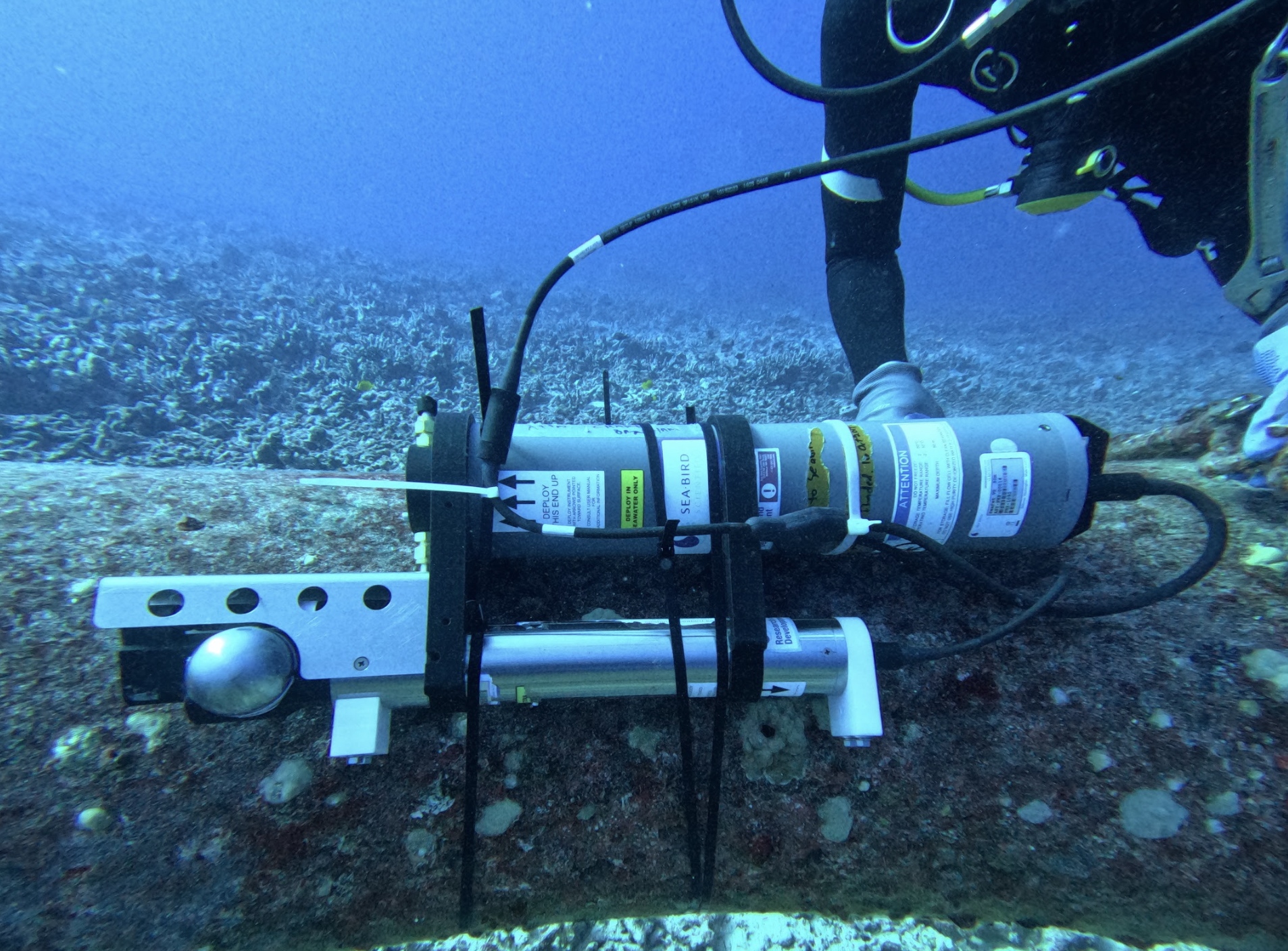
Open ocean research investigates environments defined by crushing pressure, near-freezing temperatures, and darkness that challenge observation and sampling. Scientists map water masses, track thermohaline circulation, and study benthic habitats, hydrothermal vents, and carbon storage in the abyss. Because signals are subtle and evolve over years, this work depends on high-accuracy, long-duration measurements of physical, chemical, and biological parameters to reveal climate trends and ecosystem function.
Sea-Bird Scientific instruments deliver trusted open ocean research data
Sea-Bird Scientific instruments deliver trusted open ocean research data
Backscattering
Measures particle concentration, signaling organic matter and sediment dynamics.
View backscattering solutions
Depth
Depth monitoring helps optimize cage placement and assess environmental conditions.
View depth solutions
Oxygen
Monitor dissolved oxygen to prevent stress and ensure optimal growth in aquaculture.
View oxygen solutions
Salinity
Monitor dissolved oxygen to prevent stress and ensure optimal growth in aquaculture.
View salinity solutions
Temperature
Control temperature for ideal fish growth and prevent harmful thermal fluctuations.
View temperature solutions
Open ocean, zero compromise
Where extreme pressure meets uncompromising data
Extreme pressure, low temperatures, and limited light make open ocean research challenging. Collecting accurate data on temperature, salinity, oxygen, and optical properties is vital for understanding global circulation and climate processes. Sea-Bird Scientific instruments deliver robust, high-accuracy measurements under these demanding conditions, enabling groundbreaking discoveries in ocean science.

Making an impact
How our solutions are shaping deep ocean research
Discover how government, academic, and industry leaders use Sea-Bird Scientific instruments to advance research, monitor ecosystems, and shape global water policy.